What Agents Should Know About TrumpRx.gov
You may have started hearing about TrumpRx.gov, a new prescription discount platform that recently launched.
Based on publicly available information, TrumpRx is a prescription discount website that lists certain drug prices from manufacturers who have agreed to “Most Favored Nation” (MFN) pricing. Consumers can purchase eligible medications in cash outside of their insurance using coupon cards available on the site or directly through participating manufacturers.
At this time, it appears to function similarly to platforms like GoodRx or other prescription discount programs.
A few important clarifications for agents:
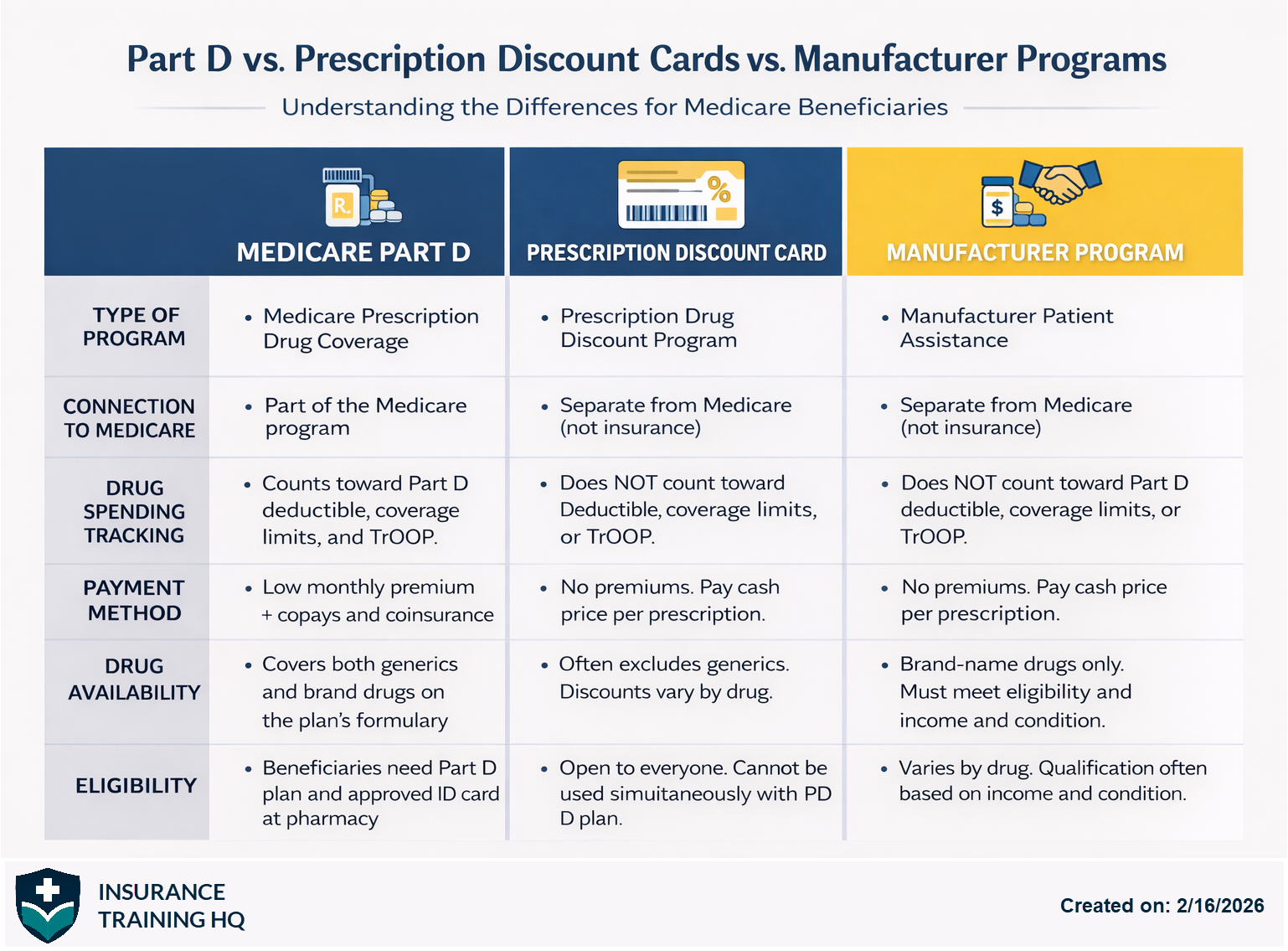
TrumpRx is not insurance
It is not connected to Medicare Part D
Purchases made through TrumpRx do not count toward Part D deductibles, initial coverage limits, or True Out-of-Pocket (TrOOP) costs
It is a cash discount option, not a coverage replacement
Not all medications are available through the platform
At this time, it does not appear to offer generic medications broadly
Some pricing appears comparable to existing discount programs for certain drugs
For example, for medications like Ozempic, publicly visible pricing on TrumpRx appears similar to pricing found on other discount platforms.
Why This Matters for Medicare Agents
As agents, it’s important to understand the difference between:
A Medicare Part D prescription drug plan
A manufacturer assistance program
A prescription discount card
A cash-pay platform
While prescription discount programs can sometimes help beneficiaries access certain medications at a reduced cost, they do not replace Medicare coverage and do not protect beneficiaries from catastrophic exposure or long-term medication expenses.
In some cases, using a discount card instead of Part D coverage can delay a beneficiary reaching their deductible or out-of-pocket thresholds under their drug plan.
That doesn’t mean these programs are “bad.” It simply means agents need to:
Explain how they work
Clarify that they are outside insurance
Help beneficiaries understand the tradeoffs
Ensure clients make informed decisions
The key takeaway is this:
Prescription discount programs can be tools — but they are not substitutes for comprehensive drug coverage.
As new platforms emerge, staying informed allows agents to answer questions confidently and avoid misinformation.
Subscribe
〰️
Become a Member
〰️
Subscribe 〰️ Become a Member 〰️
Become a member while we are developing the platform!